The Story
za·fra noun In Spanish, la zafra — the harvest, the season a crop comes in. From the Arabic safra, "a journey" — the one the crews make to the fields at harvest, and the one these products make to your home.
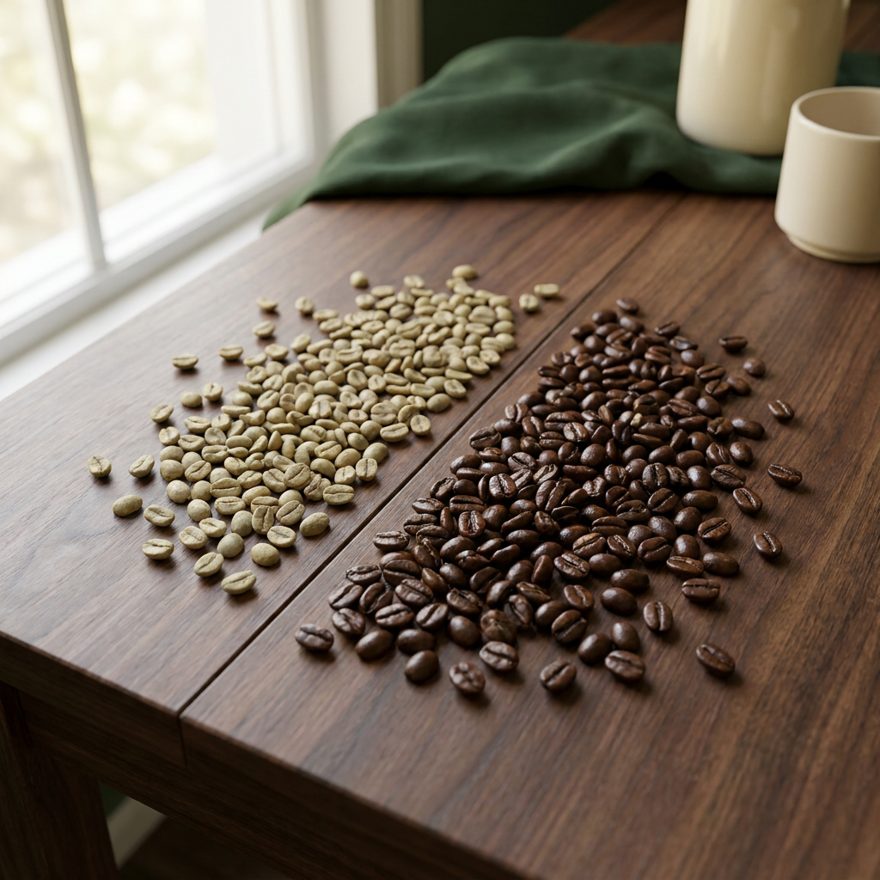
Puerto Rico once fed the world's coffee cups. After generations of decline and then Hurricane Maria, the island grows about 36,000 quintales of coffee a year and drinks 200,000. Roughly half the crop is never picked for want of crews. The farmers who stayed have the land, the heirloom trees and the knowledge. What they lack is a way to the market — while six million Puerto Ricans on the mainland pay a premium for a taste of home.
Zafra is that way. The harvest of the mountain, taken whole. Zafra is the harvest; Areito is the gathering — one word for what the mountain produces, one for the people who produce it. Commerce under Zafra, community under Areito, one coffee between them.
Done right, the quality stands with Kona and Jamaica Blue Mountain — and today almost none of it leaves the island. That is the opportunity: history, pride and quality in one cup that the world cannot currently buy.
Two things hold the island back: small farmers can’t get their cherry to a mill, and there isn’t enough support for proper farming methods. And the money follows the quality — commodity coffee barely pays, but milling, roasting and selling specialty does. Puerto Rican specialty lots already sell at $50–70 a pound roasted.
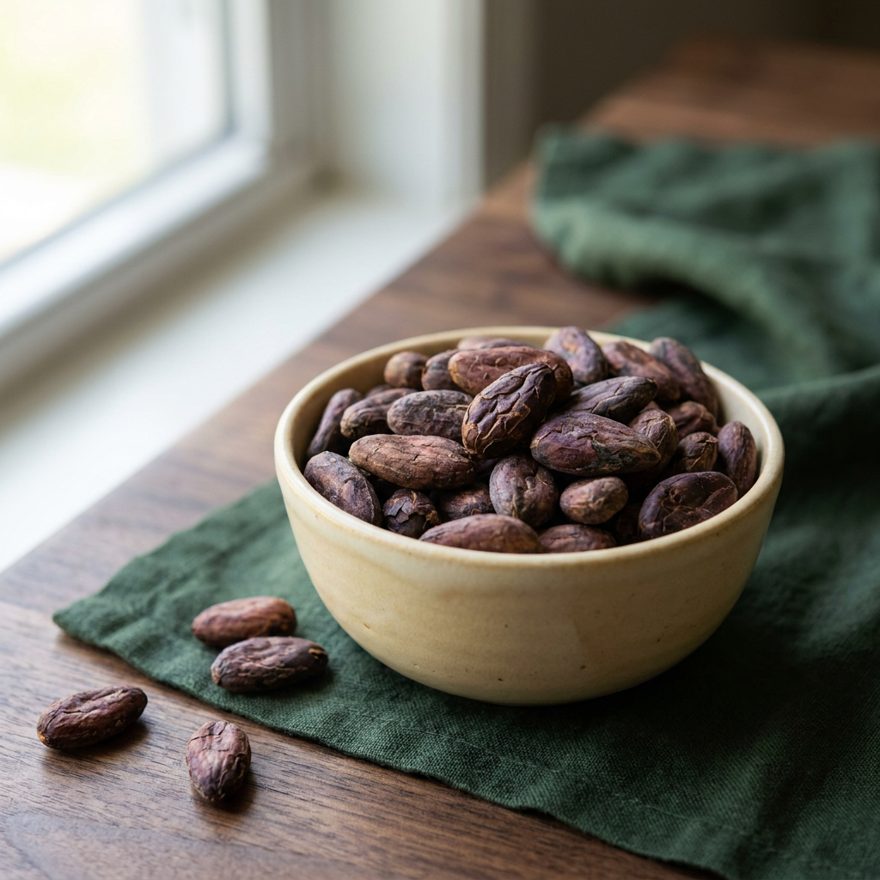
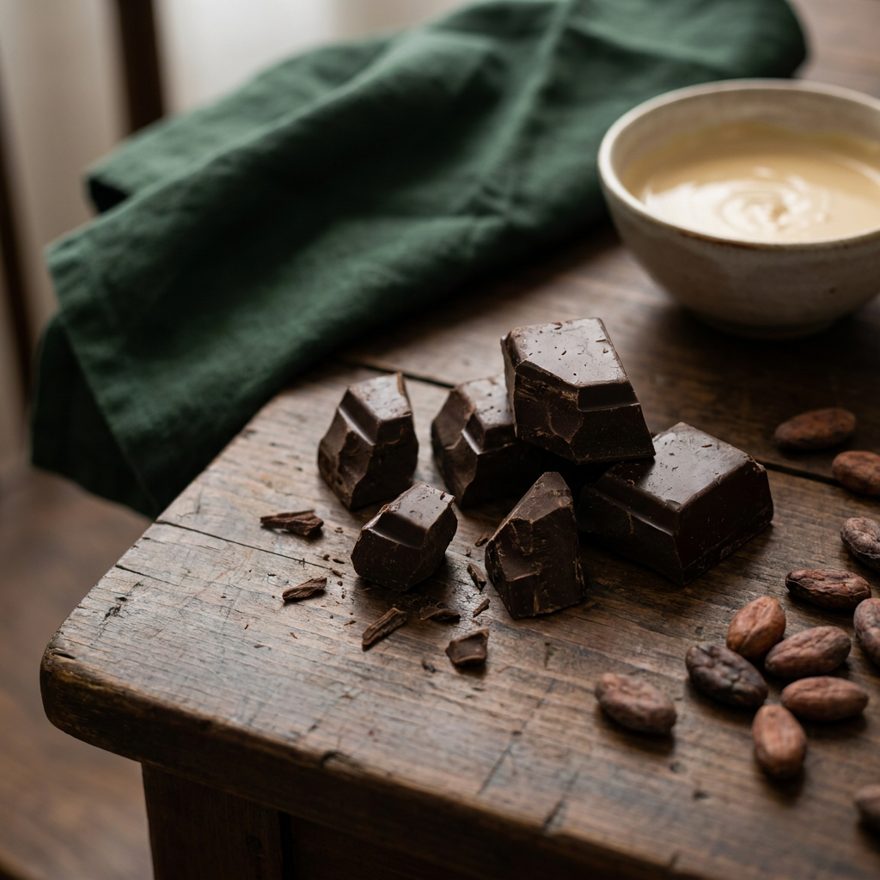
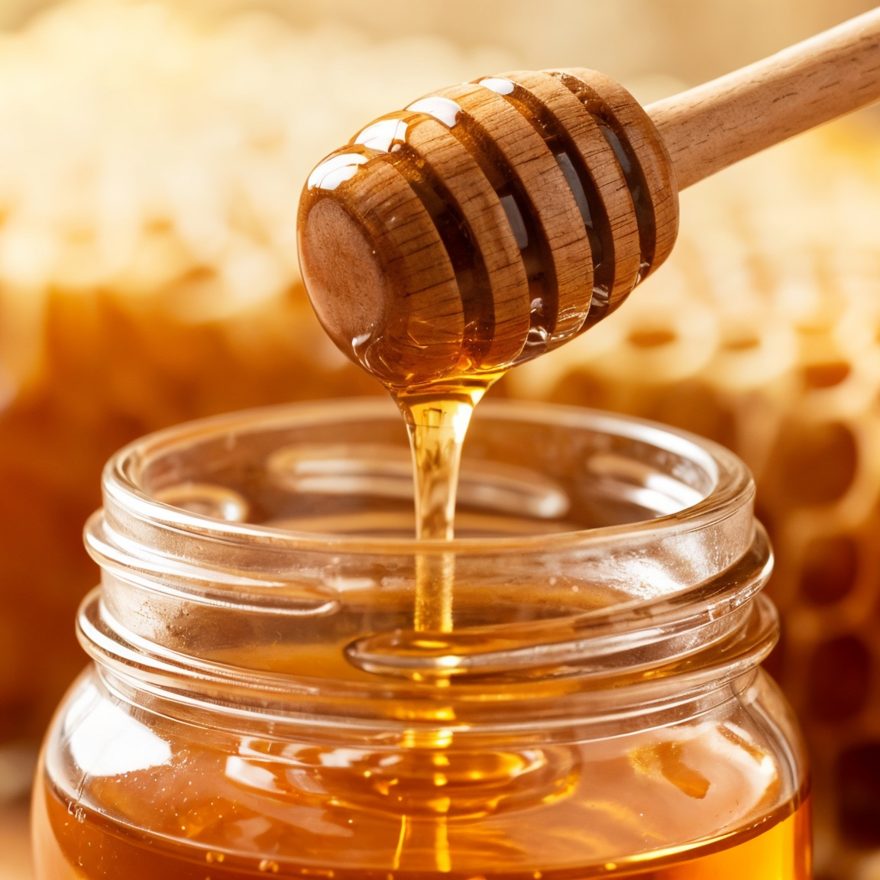
The ask of the market is simple: a bag of coffee that tastes like home and pays the farmer like a partner. Coffee leads — honey, cacao and vanilla follow, riding the same brand, box and shelf.